
Every lawn
How to Water New Grass Seed
Keep the top inch of a new seedbed moist but not saturated: usually two or three light waterings a day, more in hot, dry or windy weather, each roughly 1/16 to 1/4 inch. Once seedlings are about two inches tall, water less often and more deeply, waiting for slower species in a mix.
Grass seed has to stay moist from the day it is sown until its roots can reach deeper water. Germinating seed and young seedlings live in the top inch or so of soil, and drying can damage or kill them and leave thin patches. So new seed needs the opposite of an established lawn's deep, infrequent watering: light and often at first, then deeper and less often as the grass grows and roots. The stages below use the cues extension guides give for each change: emergence, seedlings about two inches tall, and the first few mowings.
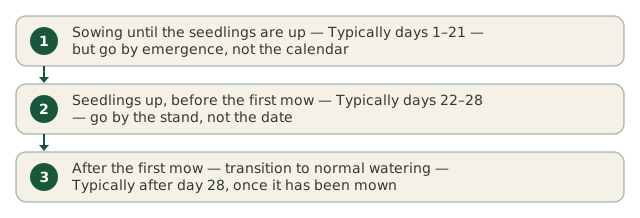
Watering by growth stage
- Phase 1
Sowing until the seedlings are up
Typically days 1–21 — but go by emergence, not the calendarKeep the top inch of soil damp. That usually means light waterings two or three times a day, more in warm, dry or windy weather; you are wetting the surface, not soaking the soil. Clemson Extension warns that seedlings are most vulnerable after the seed has begun to swell and before roots form, and that letting the surface dry then kills many of them. Don't make up for a missed watering with one long soak: water beyond what the soil can absorb ponds or runs off and can erode a loose seedbed. How long this stage lasts depends on species and weather. Tennessee Extension lists germination at about 3–7 days for perennial ryegrass, 6–12 for tall fescue and 14–21 for Kentucky bluegrass; expect longer in cold or dry soil. A mix comes up in waves, so keep watering for its slowest component. Rain can stand in for a watering while the surface stays moist.
- Phase 2
Seedlings up, before the first mow
Typically days 22–28 — go by the stand, not the dateOnce seedlings across the area are about two inches tall, Purdue's advice is to water less often and more deeply, keeping moisture within reach of the developing roots. Don't cut back at the first green shoots. This stage runs until the grass is ready for its first cut, which Clemson puts at about a third taller than its normal mowing height. On a slow germinator in cool weather that can be weeks past the typical range shown here. Mow the plants that are ready rather than holding off for slower seedlings.
- Phase 3
After the first mow — transition to normal watering
Typically after day 28, once it has been mownMove toward the deep, infrequent watering an established lawn wants. Tennessee Extension's example is about half an inch every two to three days as roots deepen. New grass is still shallower-rooted than the rest of the lawn, so make the change over a few weeks, and more slowly in hot weather or on soil that dries quickly. Purdue finds deep, infrequent watering most effective once the new turf has been mowed two or three times.
Estimate a starting run time for new seed
Enter your sprinkler type and ZIP for a starting run-time estimate in new-seed mode. Adjust watering to observed moisture, rainfall, coverage, and developing roots; this example does not adjust to your forecast or soil. No signup required.
Open the watering calculatorA reminder when the next seasonal job comes round
We'll email you about three weeks before this ZIP's normal first freeze — while irrigation contractors still have slots, and before the backflow preventer is the part that freezes.
The blow-out reminder counts back from your metro's NOAA 1991–2020 median first freeze, not this year's forecast — a normal year, give or take a couple of weeks. Add your address and the reminder follows the live forecast for your own yard, with the checklist built around the zones and shut-offs you've mapped.
Why new seed breaks the usual watering rules
- Step 1
Water light and often — not deep and infrequent
Germinating seed needs moisture near the surface, and young seedlings have shallow, developing roots. Keep the top inch moist, not saturated. Each watering is light: Maryland Extension gives roughly 1/16 to 1/4 inch, and Purdue expects two to four waterings a day depending on the weather, with warm, sunny, dry or windy days needing the most. Rain can reduce or replace a watering, so check the surface rather than running a fixed schedule.
- Step 2
Consider a light straw mulch
Mulch is optional, but it slows drying and protects the surface from crusting; Purdue calls it most important where you can't water adequately. Its suggestion is one bale of clean, weed-free straw per 1,000 square feet, spread thinly enough that about half the soil still shows. Too much shades the seedlings, and if they yellow underneath, Clemson suggests raking some of it away. Mulch means fewer waterings, not none.
- Step 3
Water during the day when the seedbed needs it
A light midday watering is fine if the surface would otherwise dry before morning. Avoid evening and night watering where you can: Maryland Extension notes seedling diseases are worse when leaves stay wet overnight. Once you move to longer waterings, run them in the early morning.
- Step 4
Taper deliberately as roots go down
Purdue's cue is height: once seedlings are about two inches tall, water less often and more deeply. Keep moisture within reach of developing roots, and hold back until slower species in a mix have emerged too. After the new grass has been mowed two or three times, Purdue finds deep, infrequent watering most effective. Avoid saturated soil.
- Step 5
Mow when it is a third taller than its normal height
Clemson's cue for the first cut is seedlings about one-third taller than the grass's normal mowing height; for lawns mowed at 2 to 2.5 inches, Iowa State says about 3 inches, and Purdue notes that most people wait too long. Use a sharp blade so seedlings are cut cleanly rather than pulled up, and take off no more than a third of the blade.
- Step 6
Treat bermudagrass seed as a warm-weather job
Bermudagrass needs warmth to germinate. Arkansas Extension reports germination begins around 68°F, with seed germinating 7 to 10 days after sowing and emerging around day 14 under good conditions, later when soil is cool or dry. Tennessee lists 10 to 20 days for hulled common bermudagrass, longer for unhulled seed. Watering follows the same pattern as cool-season seed: light and frequent until the plants have grown enough to water less often.
Overwatering, midday watering and dry spells
- How often should I water new grass seed?
- Keep the top inch of soil moist, not saturated. For new grass seed that usually means light watering two or three times a day, up to four in hot, dry or windy weather, with each pass roughly 1/16 to 1/4 inch. Rain can replace a watering. Once seedlings across the area are about two inches tall, slower species in a mix included, water less often and more deeply.
- How long do I need to keep new seed moist?
- Keep a new grass seedbed moist through germination and early growth. Tennessee Extension's typical germination times are about 3–7 days for perennial ryegrass, 6–12 for tall fescue and 14–21 for Kentucky bluegrass, and it can take longer in cold or dry soil. Clemson says light watering should continue for at least three weeks after planting. In a mix, wait for the slowest species. Emerging is not the end of establishment: taper toward deeper, less frequent watering over the following weeks as roots develop, guided by growth, soil moisture and weather rather than a fixed completion date.
- Can you overwater grass seed?
- Grass seed can be overwatered. Water beyond what the soil can absorb ponds or runs off, which can erode the seedbed, and Maryland Extension notes that ponding can suffocate or scald young grass. Constantly wet soil can rot seed and favors damping-off diseases; Tennessee Extension warns that Pythium can be especially destructive on young plants in wet soil during hot weather. Standing water, runoff and soil that stays soggy between waterings all mean you are applying too much.
- What happens if new grass seed dries out?
- Drying during germination and early growth can damage or kill new grass seedlings, leaving thin patches. Clemson places the most vulnerable point after the seed has begun to swell and before roots have formed. The outcome depends on the species, stage and how long the surface was dry, so there is no safe missed-watering interval to count on. Resume light waterings and reseed any patches that stay bare.
- Should I water new grass seed in the middle of the day?
- Watering new grass seed in the middle of the day is fine if the seedbed needs it to stay moist until the next morning, which is common in hot, dry or windy weather. What to avoid is watering in the evening or at night, because seedling diseases are worse when leaves stay wet overnight. Once the grass is growing and you move to longer, less frequent waterings, run them in the early morning.
Where this guidance comes from
The university extension and public-agency publications listed here back specific statements on this page. Each publication says which statement it backs, so you can check the statement rather than take it on trust. Where a product label or your local extension office disagrees with anything here, follow the label or the extension office.
- Watering a roadside lawn
University of Minnesota Turfgrass Science
New seed needs light, frequent watering, about two to three times a day in the first couple of weeks, with extra passes in hot, dry weather to keep the surface moist.
- Seedling Problems - Lawns
University of Maryland Extension
Newly emerged seedlings can die if the surface dries, so several light waterings a day may be needed, shifting to less frequent, deeper watering as roots develop; ponding can suffocate or scald young grass, and seedling diseases are worse when leaves stay wet overnight.
- Don't Delay, Seed in September
NC State Extension, Caldwell County Center
Once seedlings are growing and rooting, water less often but for longer each time, tapering toward an established lawn's routine.
- Lawn Establishment (HGIC 1203)
Clemson Cooperative Extension
Light waterings two or three times a day for two to three weeks; seedlings die if the surface dries after the seed swells and before roots form; and the first mow comes when seedlings are a third taller than the normal mowing height.
- Establishing Turfgrass Areas From Seed (AY-3-W)
Purdue Extension
Two to four light waterings a day, tapering once seedlings are two inches tall and moving to deep, infrequent watering after two or three mowings; a light straw mulch at about a bale per 1,000 square feet; and mow early.
- Turfgrass Establishment: Seeding (W160-B)
University of Tennessee Extension
Typical germination times by species — perennial ryegrass 3–7 days, tall fescue 6–12, Kentucky bluegrass 14–21, hulled bermudagrass 10–20 — and about half an inch every two to three days as roots deepen.
- Establishing Seeded Bermudagrass on Lawns, Golf Courses or Athletic Fields (MP477)
University of Arkansas Cooperative Extension
Bermudagrass seed starts germinating around 68°F, germinating 7 to 10 days after sowing and emerging around day 14 under good conditions.
- When should I start mowing a newly seeded lawn?
Iowa State University Extension and Outreach
A newly seeded lawn gets its first mow at about 3 inches tall, with a sharp blade.
